The ROI of AI Routesetting: Calculating the Value for Gym Owners
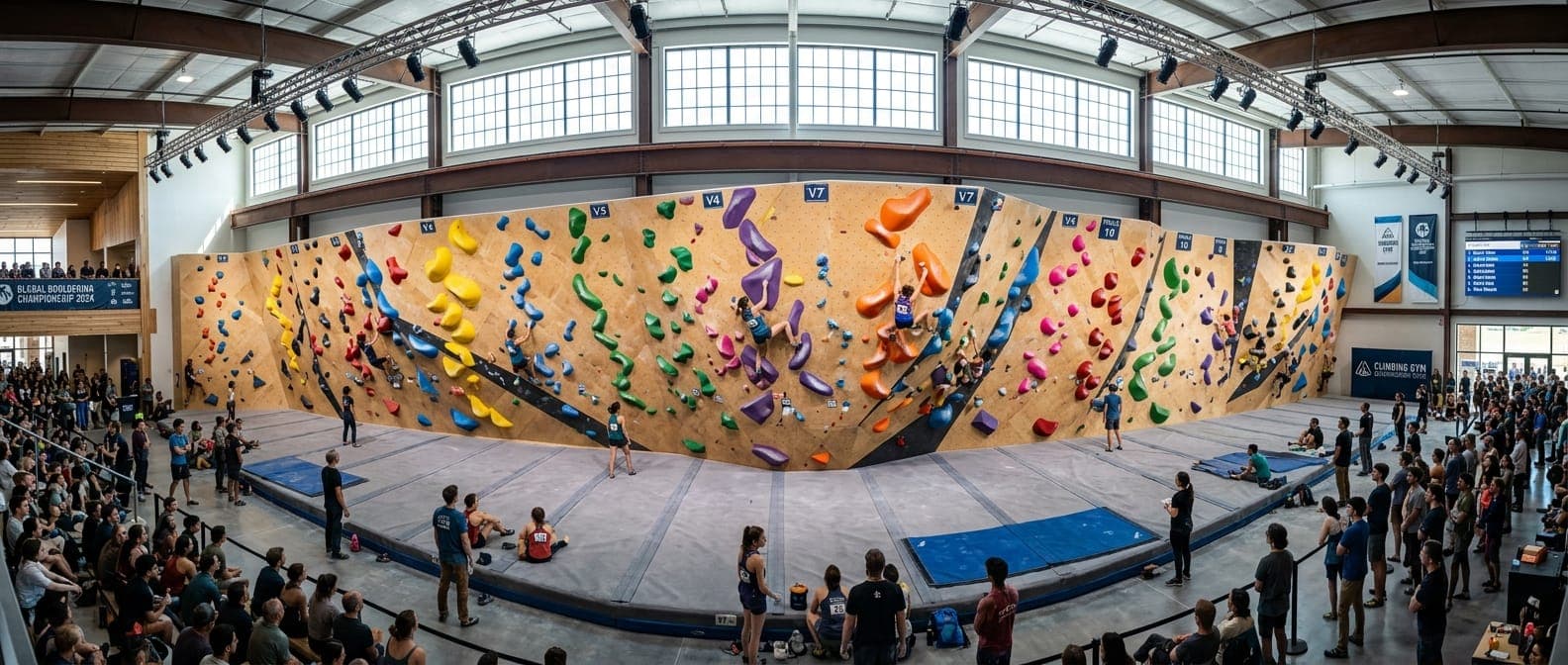
In the competitive landscape of modern climbing gyms, operational efficiency is no longer just a "nice-to-have"—it's a requirement for survival and growth. One of the most significant expenses for any facility is routesetting. But what if you could optimize that cost while simultaneously improving the quality of your product?
The Direct Cost Savings
Traditional routesetting is a labor-intensive process. A professional setter might spend 30-45 minutes just conceptualizing and placing the initial holds for a single complex boulder problem. With MAKIG's AI boulder generator, that initial design phase is reduced to seconds.
By automating the "skeleton" of a route, your setting team can focus their high-value skills on forerunning and refining, rather than starting from a blank wall. For a mid-sized gym resetting 20 problems a week, this can translate to a savings of 10-15 labor hours per week. At professional setting rates, the software pays for itself within the first month.
Maximizing Wall Real Estate
Every hour a section of your wall is closed for setting is an hour of lost value for your members. MAKIG reduces wall downtime by up to 40% by allowing for more efficient "plan-before-you-bolt" workflows. If your gym can keep its most popular sections open for an extra 4 hours a week, that's more value delivered to every member, every single month.
Data-Driven Decision Making
Beyond labor, MAKIG provides insights into which grades and styles are most popular. This means you aren't just setting more—you're setting *better*. Investing in AI isn't about replacing setters; it's about giving them the tools to create a more profitable, engaging, and dynamic gym environment.
Ready to upgrade your gym?
Join the future of routesetting and give your members the best climbing experience.